Educational Model & ServePremier Education

Skip to content

Fulton Science Academy & ServePremier Education

Our Educational
Model

Rooted at FSA. Shared through ServePremier.

Developed from Fulton Science Academy’s experience, our educational model connects rigorous learning, character, and whole-learner growth. Through our nonprofit subsidiary, ServePremier Education, that experience also supports other school communities.

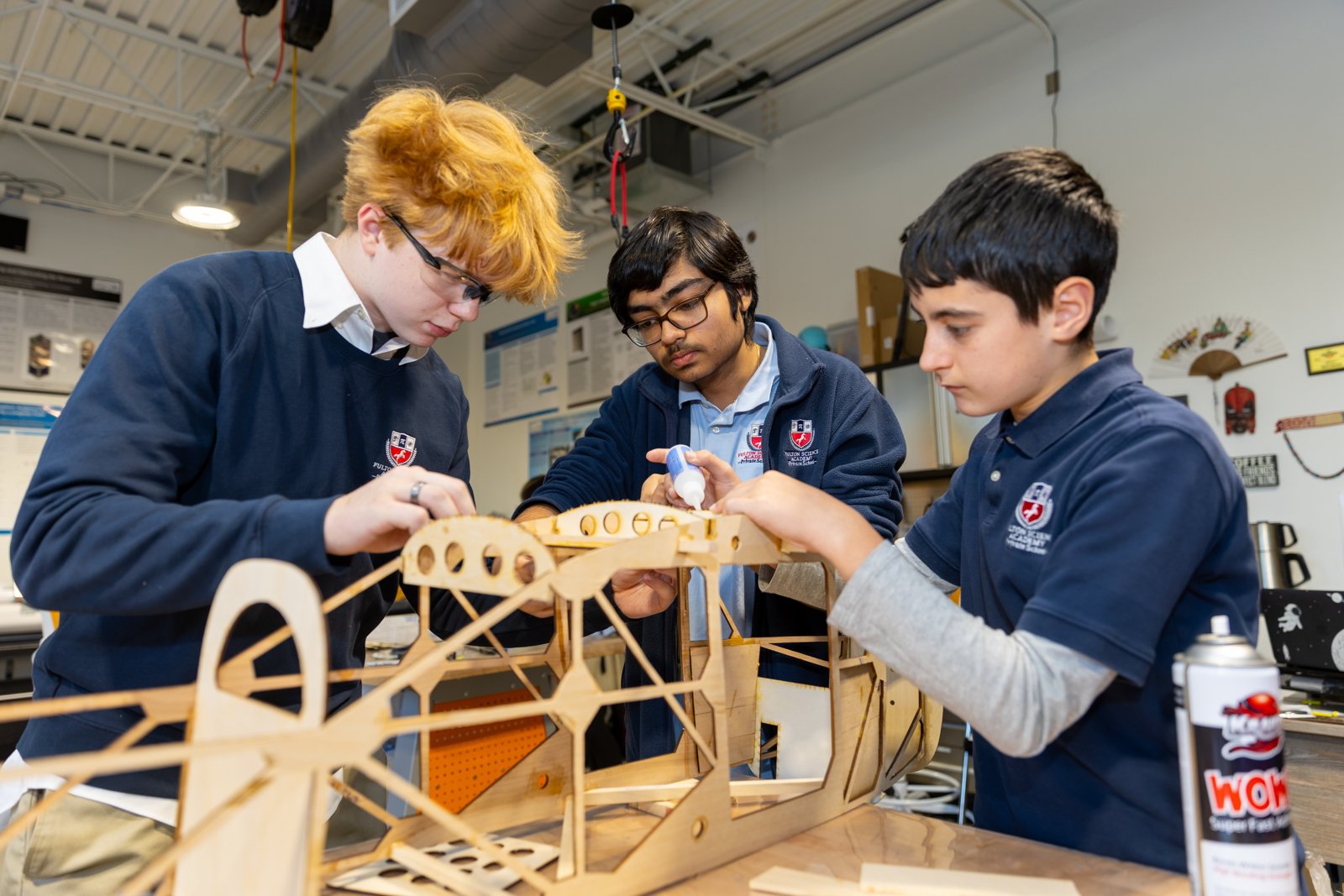
Fulton Science Academy students collaborating on a wooden engineering model
THE LEARNER AT THE CENTER

Known. Challenged.
Supported to thrive.

Fulton Science Academy · Alpharetta, Georgia

01 / Our foundation

Fulton Science Academy:
Our Foundation

Our model grew from the daily work of building an exceptional educational experience.

Discover our story

Fulton Science Academy Private School opened in 2012 in Alpharetta, Georgia, with a commitment to rigorous academics, innovative STEAM education, and the development of the whole learner. From its beginnings serving advanced and gifted students, FSA has grown into a Pre-K–12 community of more than 1,000 learners.

Academic excellence, personalized support, character development, creativity, leadership, and service are part of this connected experience. FSA is accredited and STEM-certified by Cognia, and its approach continues to develop through reflection and continuous improvement.
FSA Recognitions

Selected distinctions earned by Fulton Science Academy

U.S. Department of EducationNational
Blue Ribbon School
Character.orgNational
School of Character
Cognia · 2025School
of Distinction
College BoardAP School Honor Roll
Platinum distinction
Niche · 2027#1 in Georgia#25 in the Nation

Best High Schools for STEM

View rankings ↗

02 / ServePremier Education

How ServePremier Began

ServePremier Education and Fulton Science Academy Private School

Established in 2023, ServePremier Education is a nonprofit subsidiary wholly owned by Fulton Science Academy Private School, operating under the oversight of FSA’s Board of Directors. Both organizations share a nonprofit educational mission.

Through school management, educational consulting, and professional learning, ServePremier extends FSA’s experience to other school communities. Its work also supports FSA’s continued development.

The Educational Model was developed to formalize the principles, practices, and systems underlying FSA’s approach and provide a coherent foundation for schools supported through ServePremier. Shared principles guide the work, with thoughtful adaptation to each community’s needs and context.

Discover ServePremier Education
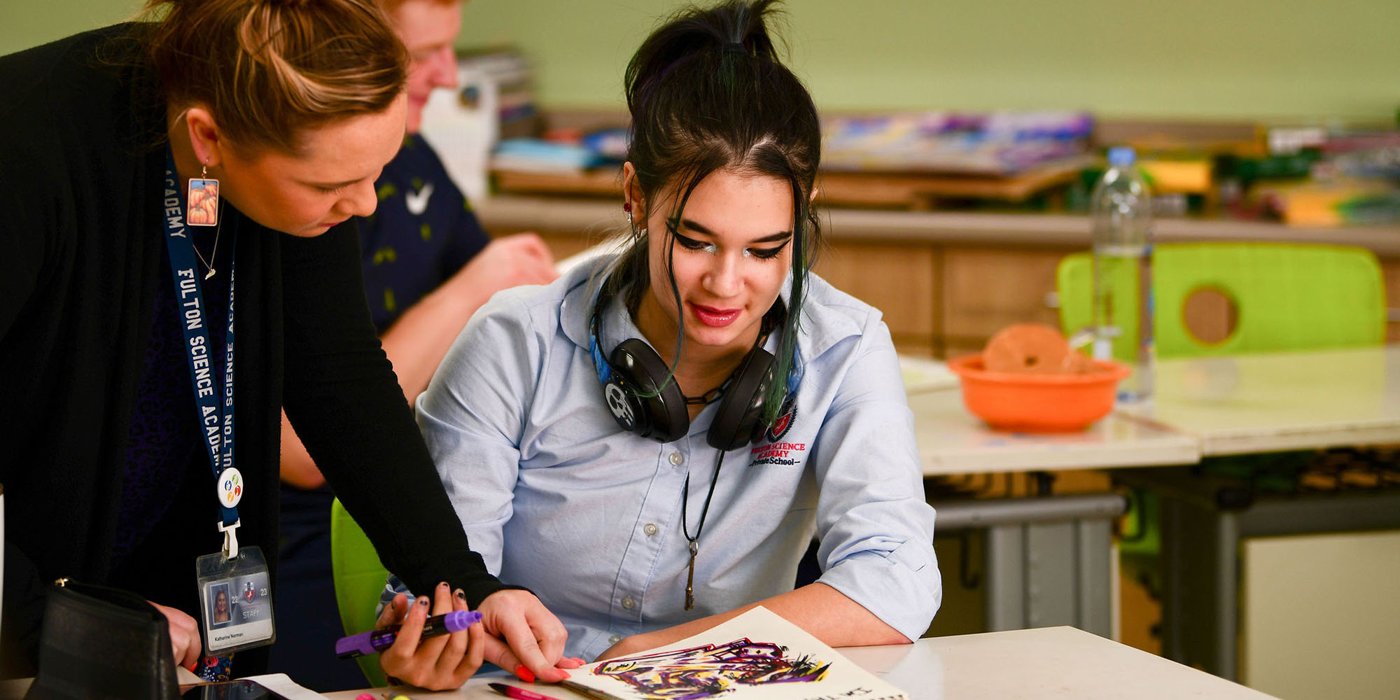
An educator supporting a learner during classroom work
Relationships & responsive teaching

Known as an individual. Supported to grow.

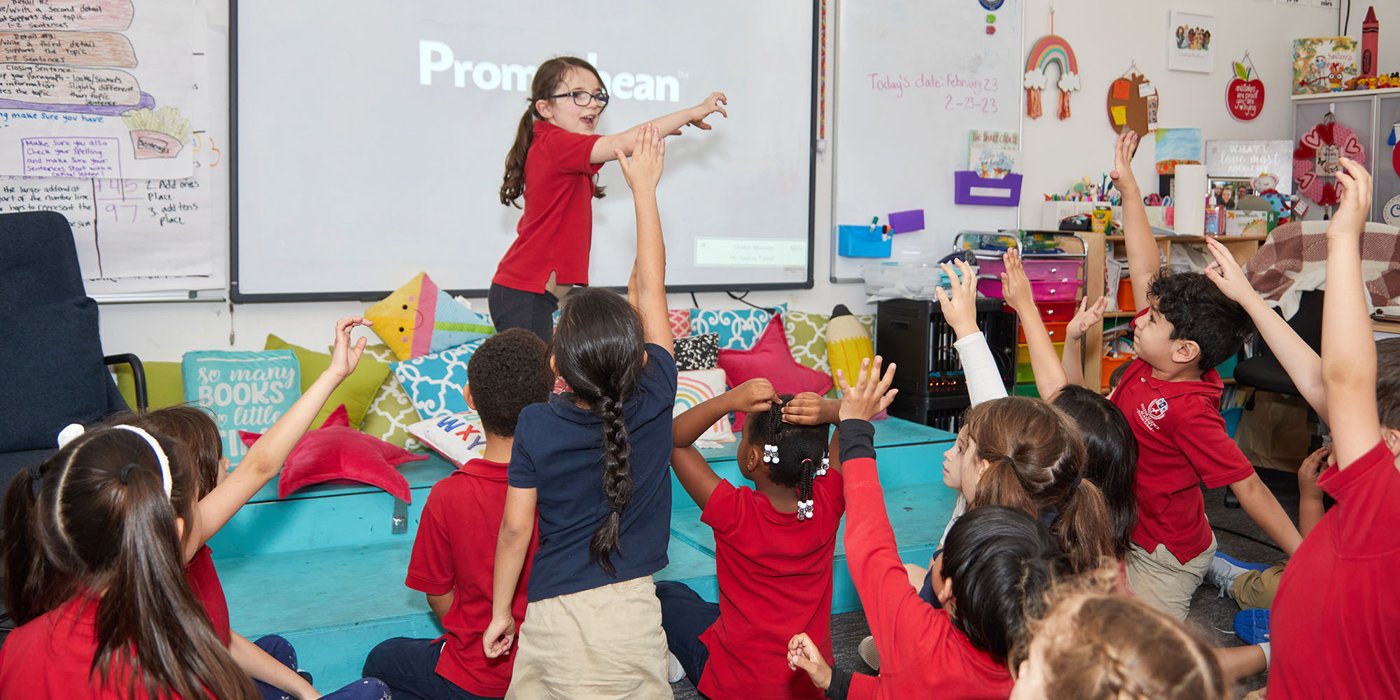
A young learner presenting to classmates who are raising their hands
Student voice & leadership

Confidence to participate. Opportunities to lead.

03 / Seven Components

Seven Components of
Our Educational Model

Explore how purpose and beliefs translate into school design, effective teaching, meaningful experiences, and the outcomes we seek for every learner.

01

Purpose

Why we exist

We exist to empower learners through a rigorous and innovative STEAM-focused educational experience that prepares them to thrive, serve others, and make a meaningful contribution to the world.

Our Mission

To deliver a rigorous and innovative STEAM-focused education that prepares every student for college and lifelong success, fosters strength of character and wellbeing, and empowers learners to thrive intellectually, socially, and ethically as engaged global citizens.

Our Vision

We strive to be globally recognized for empowering advanced and gifted students through innovative academic excellence, character values, whole-child development, and strong community collaboration.

02

Educational Philosophy

What we believe

Every learner deserves to be known, valued, appropriately challenged, and supported. Seven core beliefs guide our decisions and shape a caring, ambitious learning culture.

  • Every Learner Has PotentialWe educate the whole learner, nurturing academic growth, character, wellbeing, creativity, and confidence.
  • Relationships, Belonging & InclusionCaring relationships and respectful communities create the conditions for learning.
  • Rigor & ResponsivenessHigh expectations work alongside appropriate challenge and support.
  • Active, Meaningful LearningInquiry, interdisciplinary connections, and authentic application deepen understanding.
  • Academic Excellence & CharacterStrong knowledge, positive values, and ethical habits reinforce one another.
  • Life, Leadership & ServiceLearning prepares students to contribute with purpose beyond school.
  • A Shared Commitment to ImprovementEducators, leaders, families, and learners reflect, learn, and grow together.

Guided by I CARE

Integrity · Curiosity · Advocacy · Resiliency · Empathy

03

School Model

What defines our school

The learner sits at the center of six interconnected pillars, supported by exceptional educators, engaged families, effective leadership, and community partnerships. A culture of continuous improvement strengthens the whole model.

  • Academic Excellence & Personalized LearningStrong foundations and high expectations, with responsive support and challenge that help each learner progress.
  • STEAM, Inquiry, Research & InnovationMeaningful questions, interdisciplinary investigation, creativity, and authentic problem-solving.
  • Character, Wellbeing & BelongingPositive values, caring relationships, and opportunities to develop strong character and wellbeing.
  • Leadership, Service & Global CitizenshipAuthentic opportunities to use knowledge, voice, and strengths in responsible contribution.
  • Exploration, Creativity & Personal GrowthExperiences within and beyond the classroom that help learners discover interests, talents, and possibilities.
  • Higher Education, Career & Life ReadinessGuidance and experiences that build self-knowledge, independence, and readiness for meaningful future pathways.
See the School Model diagram
04

Instructional Framework

How we teach

Six interconnected instructional practices bring our philosophy and School Model to life. Educators draw on these practices responsively, according to learner needs, development, disciplines, and learning goals.

  • Know & Support Every LearnerBuild strong relationships, understand each learner, and provide appropriate challenge and support.
  • Design for Rigor & GrowthCreate coherent, challenging learning that builds knowledge, skills, and deeper understanding.
  • Engage Learners in Deep, Active & Inquiry-Driven LearningFoster curiosity, critical thinking, creativity, and collaboration.
  • Connect & Apply LearningConnect knowledge across disciplines and apply it in meaningful, authentic contexts.
  • Assess, Respond & ImproveUse evidence, feedback, reflection, and revision to determine what learners need next.
  • Develop Ownership, Character & IndependenceBuild agency, responsibility, self-regulation, strong character, and increasing independence.

Purposeful technology, character, inclusion and belonging, reflection, and continuous improvement are embedded across every practice.

05

Learner Experience

What students experience

These nine commitments describe learning from the learner’s point of view. They remain consistent in principle across Pre-K–12, while their expression changes with development, readiness, and context.

  • I Am Known, Valued & I BelongCaring relationships help learners feel understood, respected, included, and able to grow.
  • I Am Challenged, Supported & GrowingAppropriate depth, complexity, support, enrichment, extension, and acceleration enable continued progress.
  • I Think Deeply, Inquire & CreateStrong academic foundations support questioning, reasoning, investigation, research, and creativity.
  • I Connect & Apply My LearningLearners connect ideas and use knowledge across disciplines, authentic contexts, and new situations.
  • I Explore, Create & Discover My StrengthsAcademic and co-curricular opportunities help learners discover interests, develop talents, and imagine possibilities.
  • I Collaborate, Contribute & Live Our ValuesLearning with others, leadership, and service develop character and responsible contribution, guided by I CARE.
  • I Reflect, Improve & Take Increasing OwnershipFeedback, revision, purposeful choice, and reflection build responsibility and self-regulation.
  • I Use Technology Thoughtfully to Extend My CapabilitiesTechnology and AI extend learning while preserving thinking, creativity, relationships, judgment, and human effort.
  • I Am Preparing for a Meaningful FutureLearners build self-knowledge, confidence, adaptability, independence, and readiness to make informed choices.

The commitments describe the learner journey over time; every lesson does not need to include all nine.

06

Enabling Systems

How we support excellence

Eight interconnected systems provide the organizational conditions that sustain the model. They align people, practices, resources, and evidence around excellent teaching and learner growth.

  • Mission-Aligned Leadership & GovernanceClear leadership, appropriate oversight, and responsible stewardship keep educational purpose and learner growth central.
  • Exceptional Educators & Professional GrowthRecruitment, onboarding, professional learning, coaching, collaboration, feedback, and fair evaluation help educators thrive.
  • Curriculum Coherence & Learning PathwaysAligned curriculum, instruction, assessment, and guidance connect strong foundations with responsive challenge and future pathways.
  • Learner Support, Wellbeing & DevelopmentCoordinated academic, developmental, wellbeing, accessibility, and safeguarding support helps learners participate and grow.
  • Culture, Character & CommunityShared expectations, adult modeling, learner voice, leadership, and service cultivate belonging and character, guided by I CARE.
  • Family, Community & Global PartnershipsTrusted family relationships and purposeful partnerships extend expertise, perspectives, support, and authentic learning opportunities.
  • Resources, Technology & Learning EnvironmentsPeople, time, funding, facilities, materials, technology, and operations provide safe, accessible, sustainable learning opportunities.
  • Evidence, Quality Assurance & Continuous ImprovementEvidence, reflection, and program review strengthen practice, learner experiences, outcomes, and strategic priorities.
07

Learner Outcomes

Who learners become

Our Learner Outcomes Profile describes the knowledge, capabilities, character, and readiness we intentionally seek to develop. These nine outcomes grow together over time, at different rates and in different contexts.

  • Academic Knowledge, Understanding & Intellectual FoundationsStrong disciplinary knowledge, literacy, numeracy, and lasting understanding support continued learning.
  • Critical Thinking, Problem Solving & JudgmentLearners evaluate evidence, solve meaningful problems, and make reasoned decisions.
  • Inquiry, Research, Creativity & InnovationLearners investigate questions, develop ideas, create, test, and refine.
  • Application, Connection & TransferLearners connect ideas and use knowledge in authentic and unfamiliar situations.
  • Communication & CollaborationLearners express ideas clearly, listen well, work responsibly with others, and contribute to shared success.
  • Character, I CARE Values & Ethical ResponsibilityLearners develop positive values and ethical habits through choices, relationships, and contribution.
  • Agency, Self-Awareness & Increasing IndependenceLearners reflect, set goals, use feedback, manage responsibilities, and take increasing ownership.
  • Leadership, Service & Responsible ContributionLearners lead responsibly, serve others, and contribute meaningfully to their communities.
  • College, Career & Life ReadinessLearners develop adaptability, wellbeing, judgment, independence, and readiness for meaningful future pathways.

Our aim is to help each learner pursue excellence with purpose and contribute meaningfully to others. Success takes many forms and extends beyond grades, test scores, or a particular university destination.

04 / School Design

The Learner at the Center.

The School Model is one of the seven components of our Educational Model. Its six pillars, community supports, and culture of continuous improvement describe how the school is designed around the learner.

The School Model: six pillars around the learner
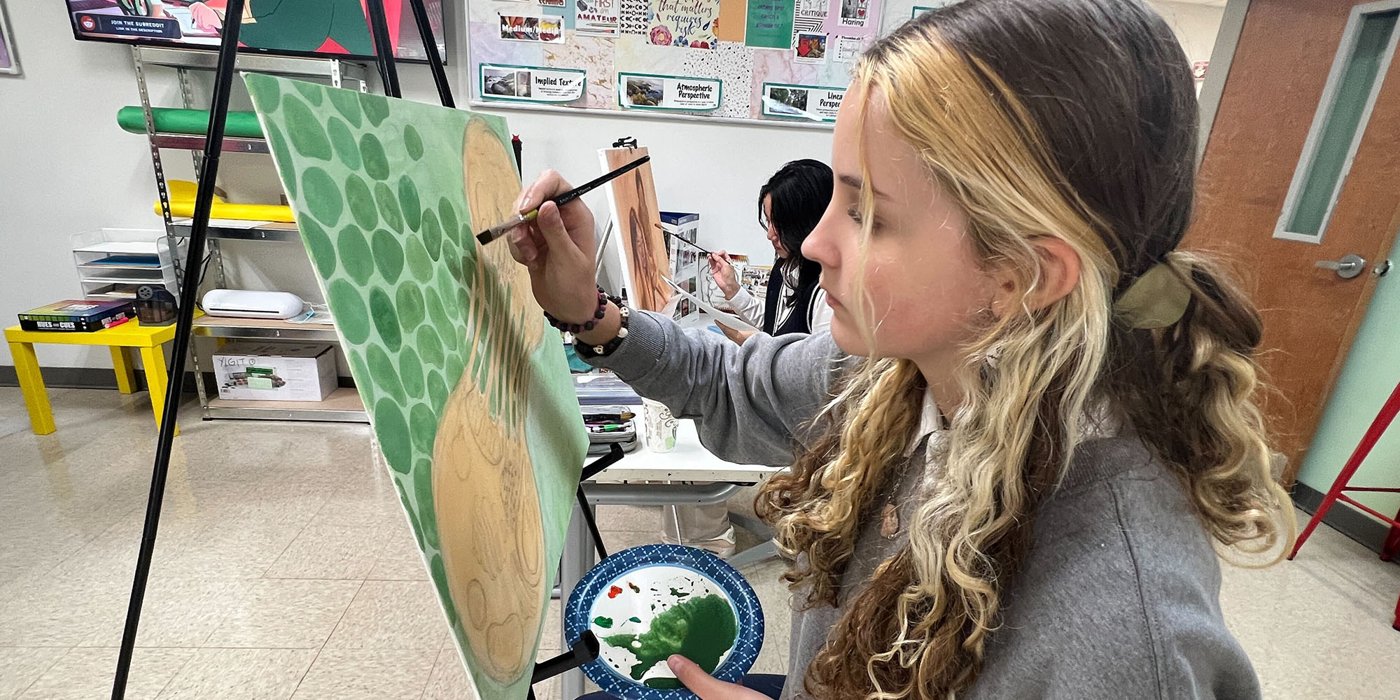
A learner painting a detailed artwork in an art classroom
Exploration & creativity

Space to discover interests and develop strengths.

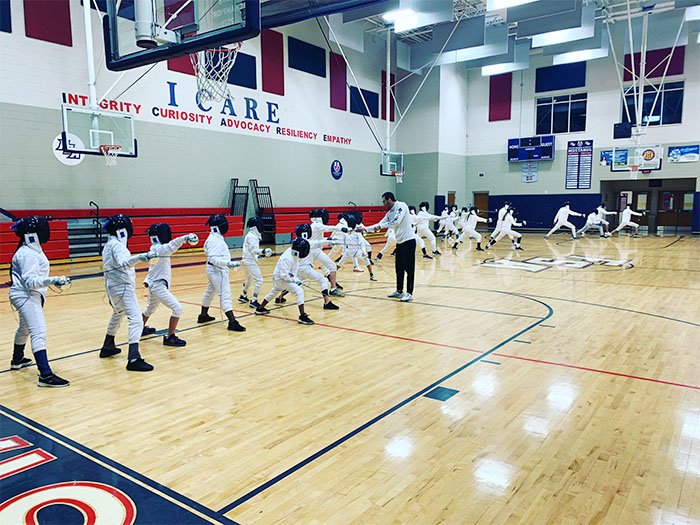
Students practicing fencing together in the Fulton Science Academy gym
Athletics & wellbeing

Developing discipline, confidence, and sportsmanship.

Connect with ServePremier Education

Connect with ServePremier

Planning a new school, strengthening an existing one, or exploring professional learning? Connect with ServePremier to discuss how FSA’s experience and our educational model could support your goals.

Educational Model Overview

Seven connected components: Purpose, Educational Philosophy, School Model, Instructional Framework, Learner Experience, Enabling Systems, and Learner Outcomes. Together they connect why we exist to who learners become.

The framework’s seven components are introduced in the expandable sections on this page.

Open full-size image to zoom

School Model Diagram

School Model diagram showing the learner, six educational pillars, four community supports, and continuous improvement.

The School Model component above provides an accessible text description of this diagram.

Open full-size image to zoom